Tempo

The future of high-end dining.

Tempo is a three-part AI-powered suite designed to reduce operational friction in high-end restaurants without disrupting the premium service experience. It covers ordering (TempoScribe), task coordination (TempoChime), and payment (TempoTap), giving staff the tools to keep service flowing while guests experience something seamless.
Overview
Problem
Labor costs climb, prices follow, and expectations soar
As staff wages rise, fine-dining restaurants raise prices to survive — but their labor-heavy model makes every empty seat, every delayed course, and every bad review costlier than ever. High-end dining has almost no margin for operational error.
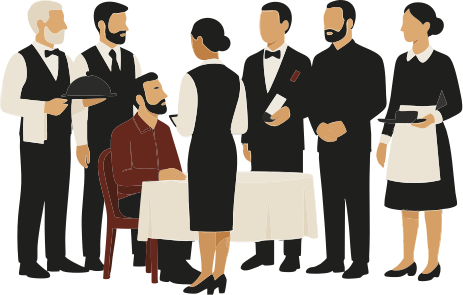
High-end service is a sequence. One person can break the whole thing.
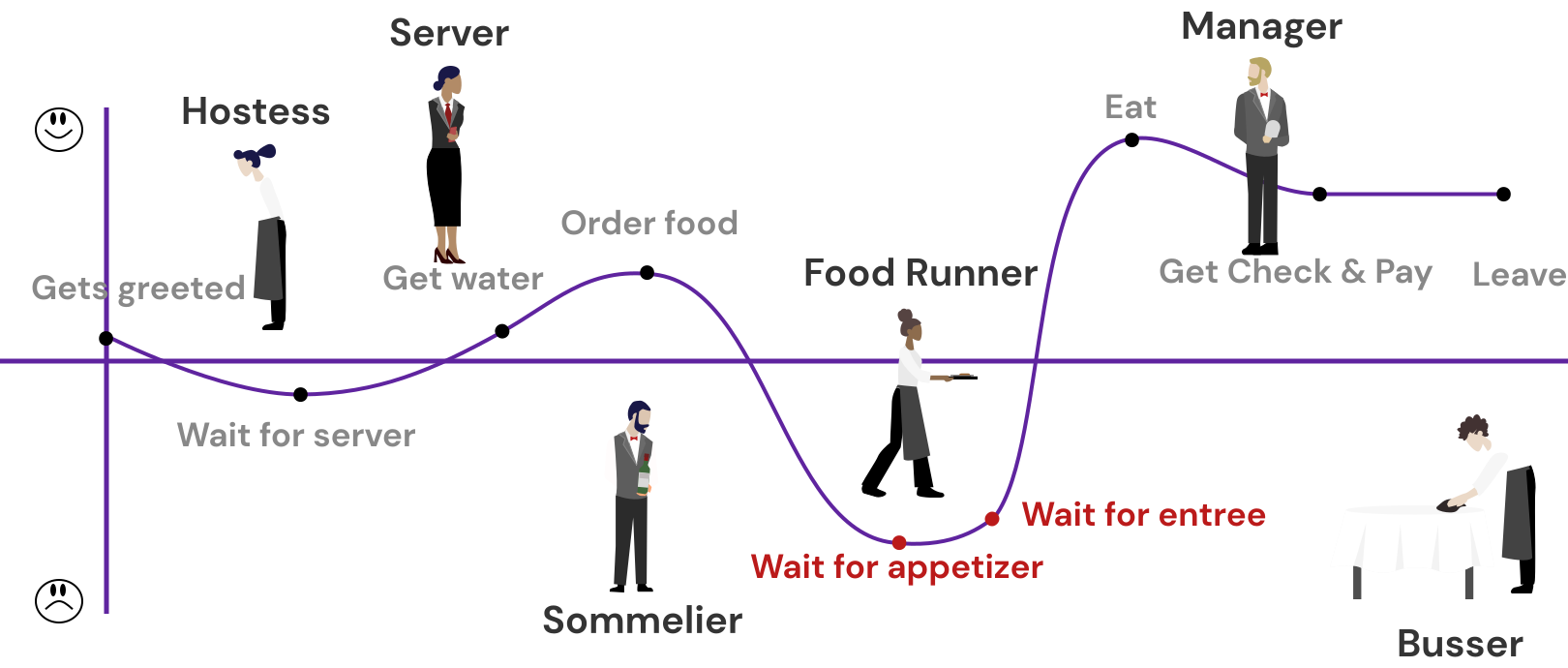
Fine dining doesn’t just require good food. It requires a choreographed sequence of service steps, coordinated across servers, sommeliers, food runners, and bussers. When any one person falls behind, the whole table feels it. And because guests are paying a premium, they notice everything that goes wrong.
Solution
Tempo keeps the dining room in sync
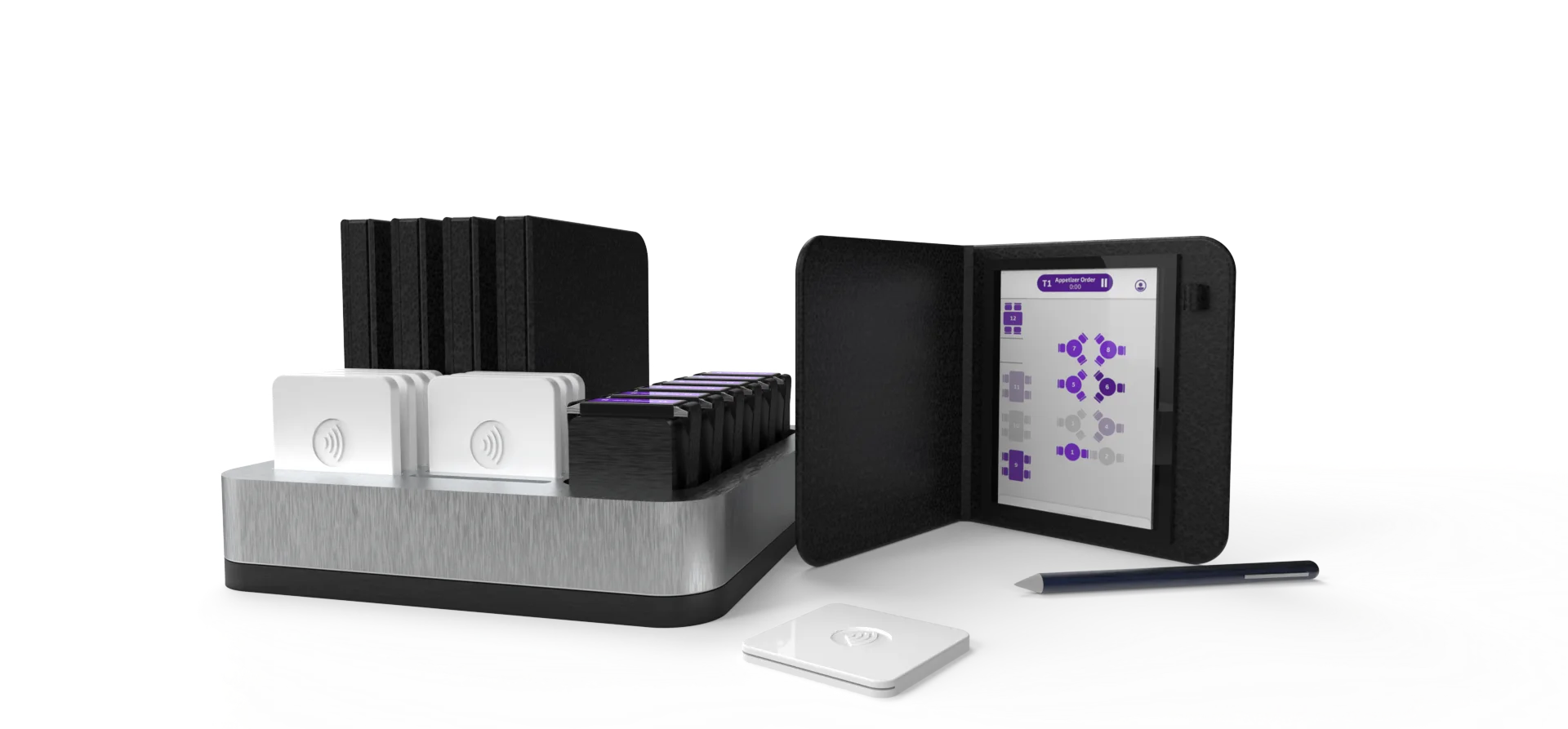
Tempo is a three-part service-orchestration suite comprising an AI ordering system (TempoScribe), a task coordination system (TempoChime), and a smart payment system (TempoTap), designed to reduce operational friction without disrupting the premium service experience guests expect.
Approach
The research was extensive: every role, every perspective.
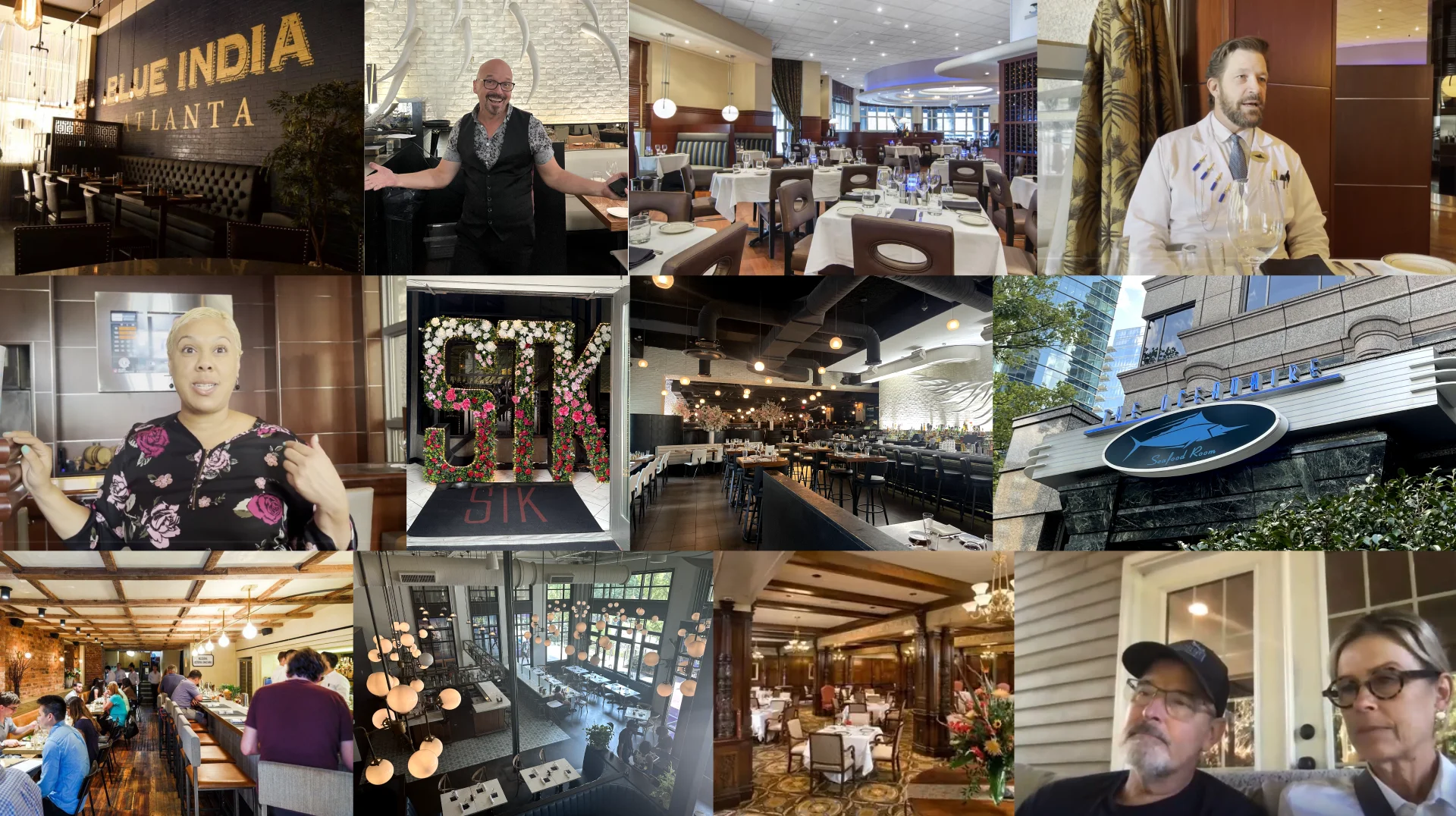
We interviewed servers, managers, and fine dining guests, ran consumer surveys, and spent 25+ hours in restaurant visits and field observation. 45 insights came out of that research (across consumer experience, service operations, and technology) and shaped every design decision Tempo makes.
Insights
One person can delay the whole sequence
Fine dining runs on a set sequence of operation, and any single handoff between staff members can stall the whole table. Less than 28% of diners are willing to wait more than 30 minutes, making coordination failures directly visible to guests.
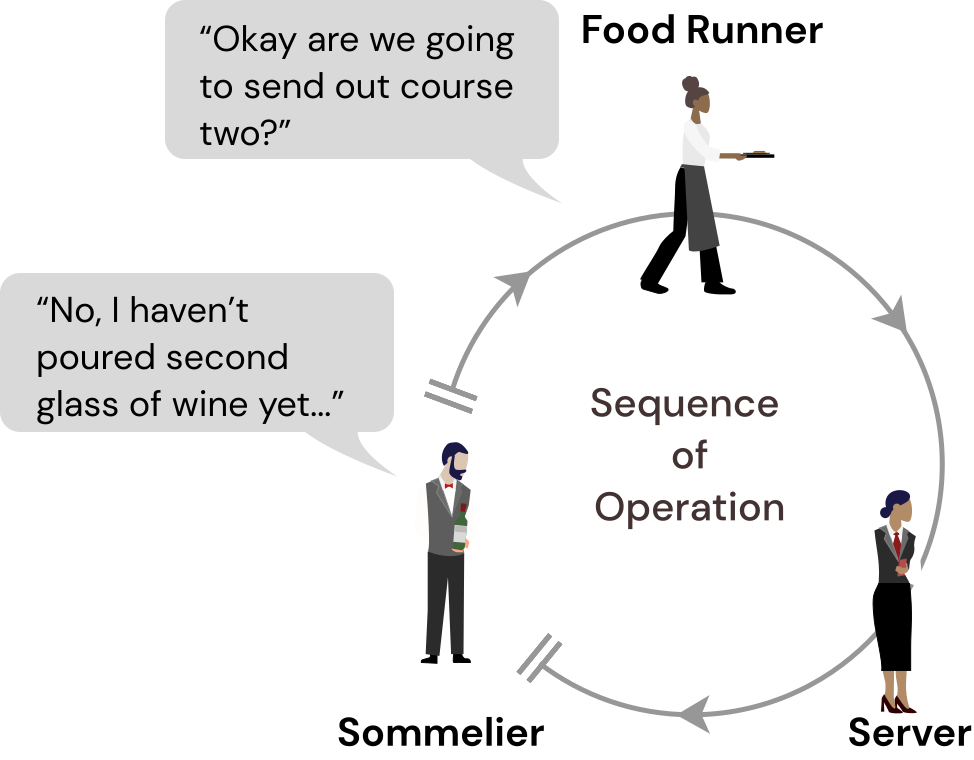
“Everyone has to work as fast as possible to avoid these miscommunications.”
— Sophia, ServerNeglect isn’t laziness: it’s a coordination and staffing problem
Understaffing and the sheer complexity of service steps mean tables get missed, not because servers don’t care, but because the system gives them no visibility into who needs attention when.
“I’ve been here for 2 years ... I’m at your table long before [the time limit for table greeting]”
— Max, Server at STK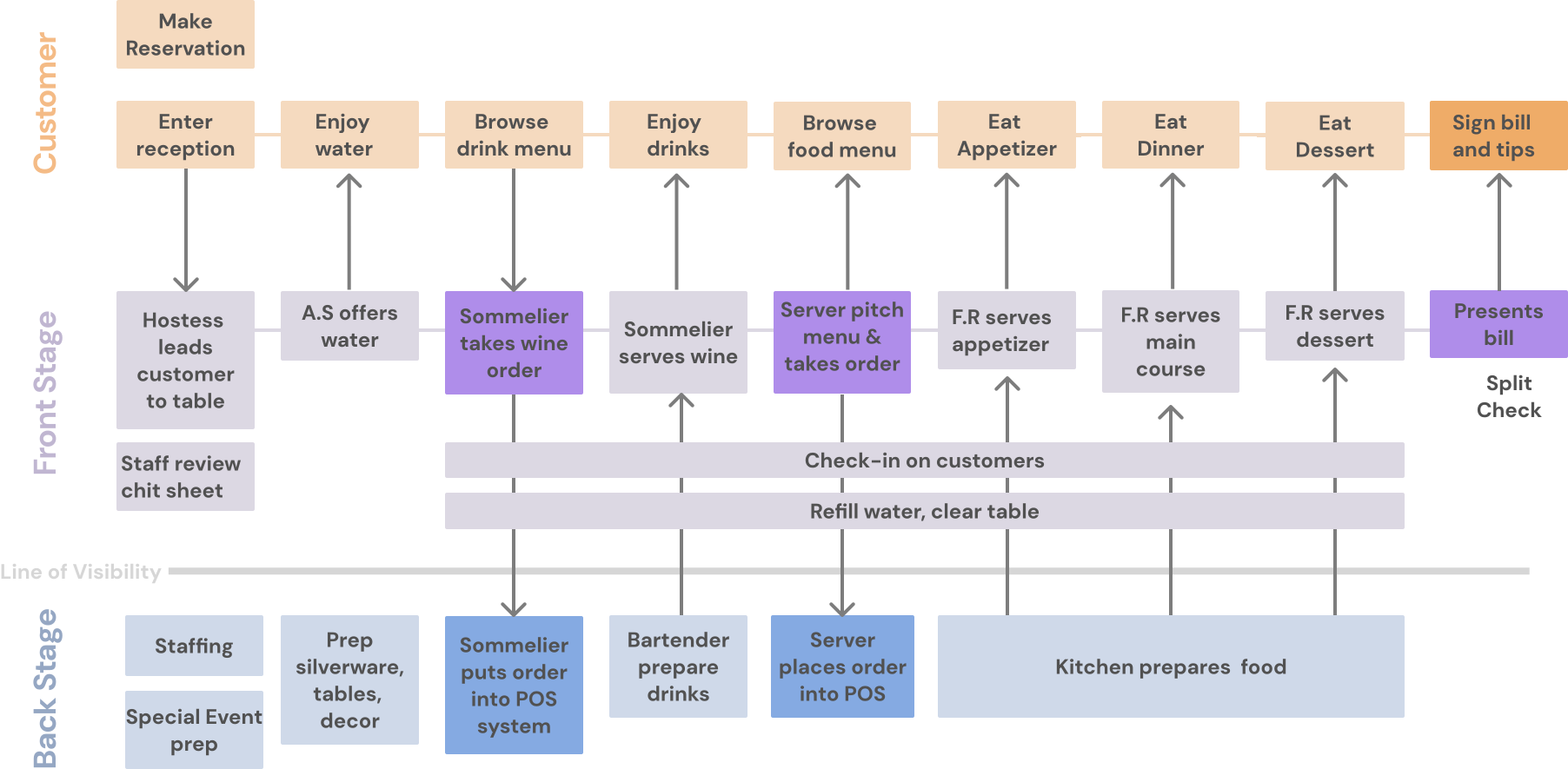
Guests pay for perfection and remember every flaw
Because the price is high, the threshold for satisfaction is also high, and asymmetric. Guests don’t tally up everything that went right. They focus on what went wrong. More than 72% of diners find restaurants through online ratings, so service failures compound into business ones.
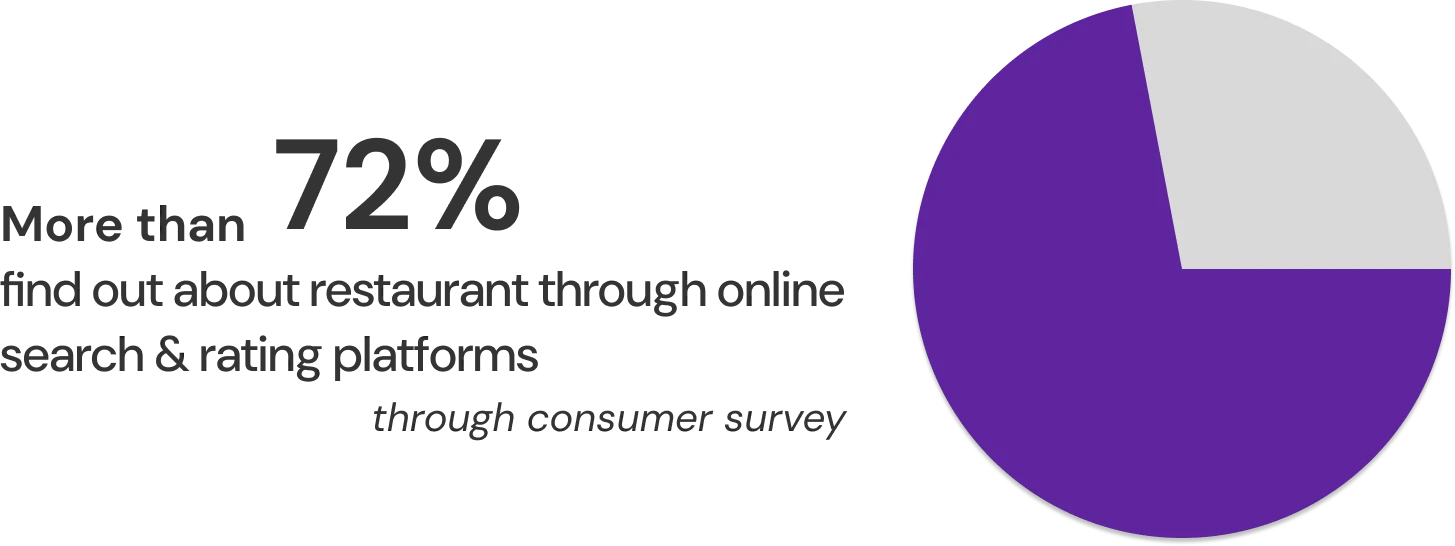
“They don’t think about all the details that were put in to making the whole experience — they will think about what was wrong with the whole experience.”
— Rachel, Server at Hilton SeelbachMy Contribution
I originated the TempoChime concept, identifying inter-staff communication as the root coordination failure in fine dining and proposing a wearable device as the solution. I defined the AI orchestration logic behind it, designed the full information architecture and UX, and created all CAD models and renderings for the wristband hardware. Research was a full team effort. TempoScribe and TempoTap were led by teammates.
Objective
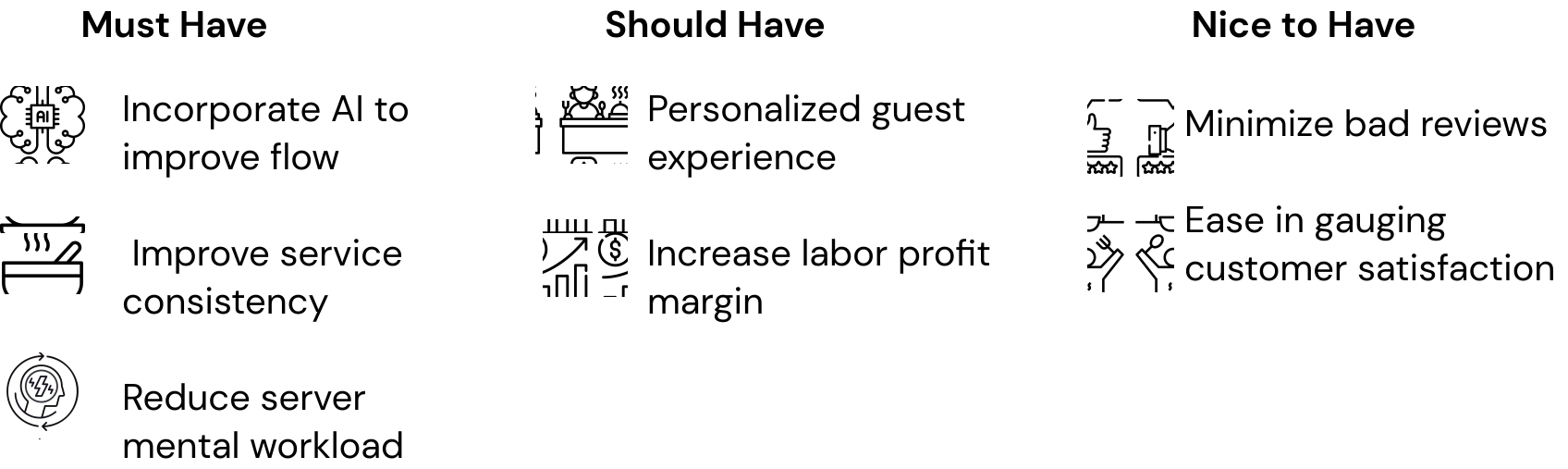
Designing for flow, not features
The design objective was to use AI to improve the flow and consistency of premium service, without adding cognitive load for staff. Any feature that made the server think harder was a feature that worked against the goal.
TempoScribe
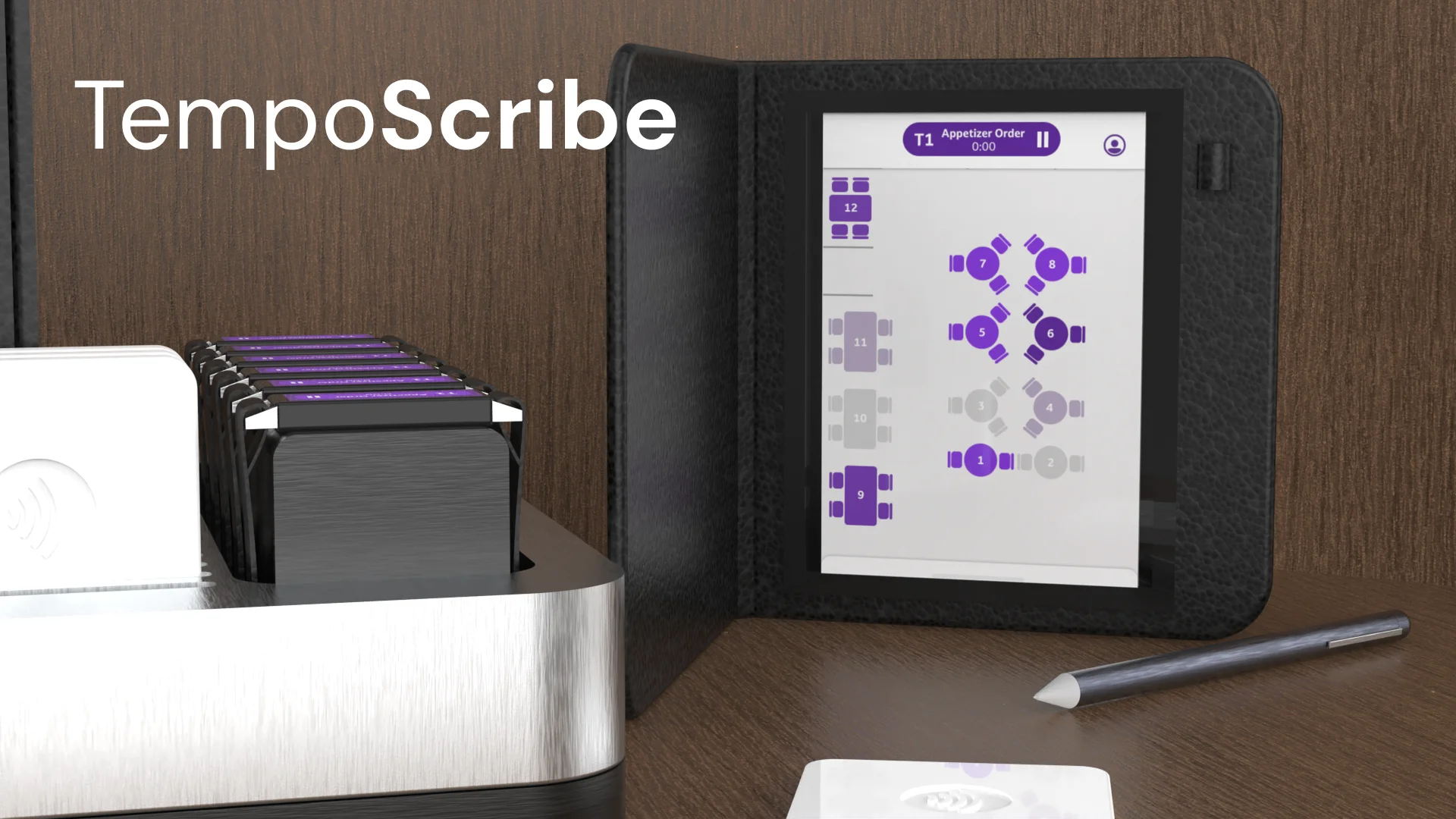
The current POS system was complicated, slow, and unforgiving

Taking an order at a fine dining restaurant involves remembering seat assignments, capturing custom requests, navigating a complex POS interface, and doing it all without disrupting the guest’s experience. Servers were spending more time managing the system than managing the table.
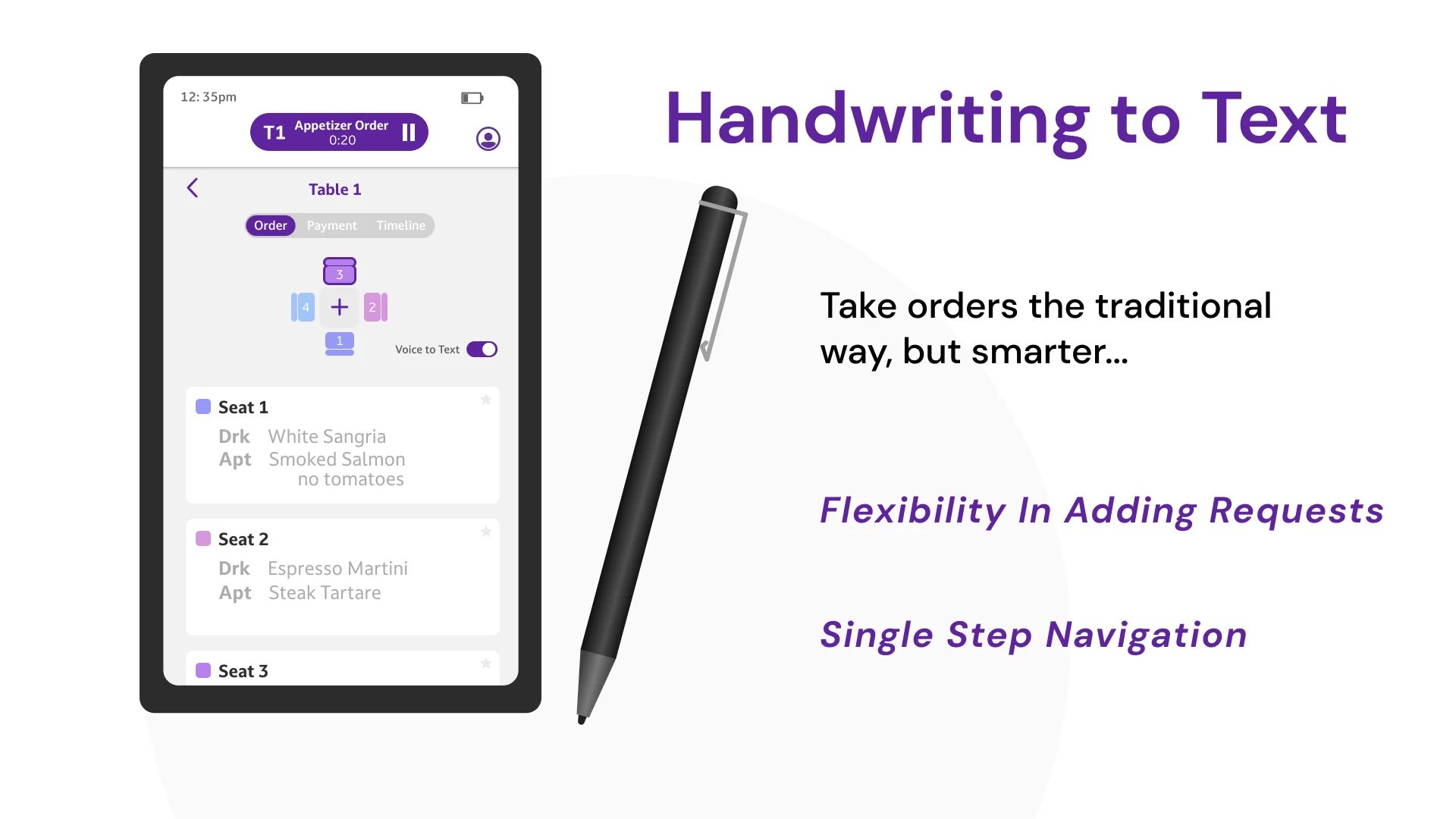
We gave servers three ways to take orders and made editing effortless
Voice to textServer taps a seat to begin; built-in voice recognition then tracks who’s speaking, so no extra taps are needed for each guest.
Handwriting to textBuilt-in handwriting recognition matches notes to the menu and captures custom specs, keeping the traditional pad without the manual entry.

Intuitive gesture editsTap to modify, drag to reassign, cross to delete: edits that match how servers already think about an order.

TempoChime
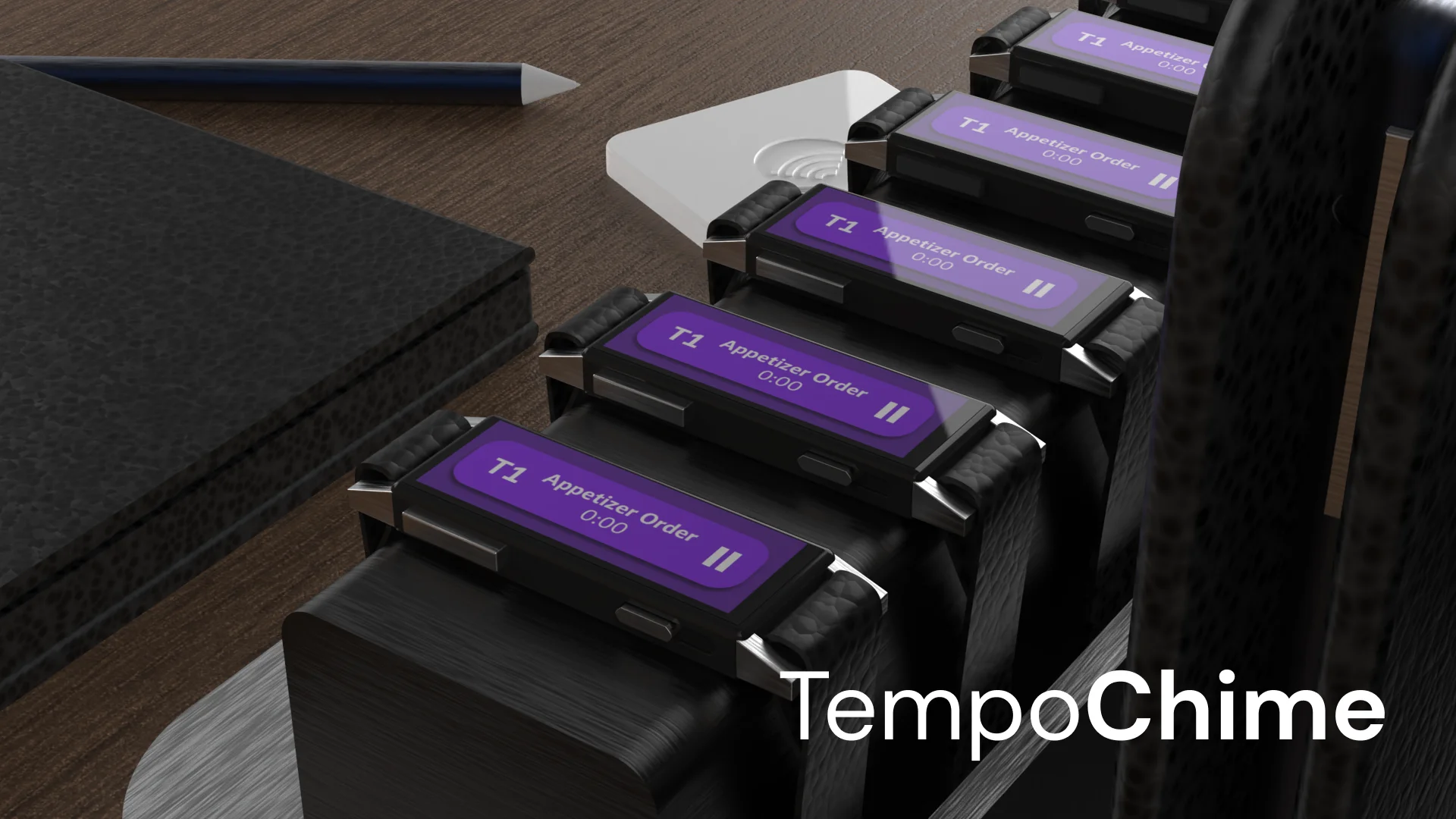
Staff had no shared view of the floor, so coordination happened verbally and inconsistently
Without a live view of table status, task assignments were communicated verbally or not at all. Servers couldn’t see where other staff were, what tasks were in progress, or when a table was falling behind. Coordination depended entirely on memory and experience.
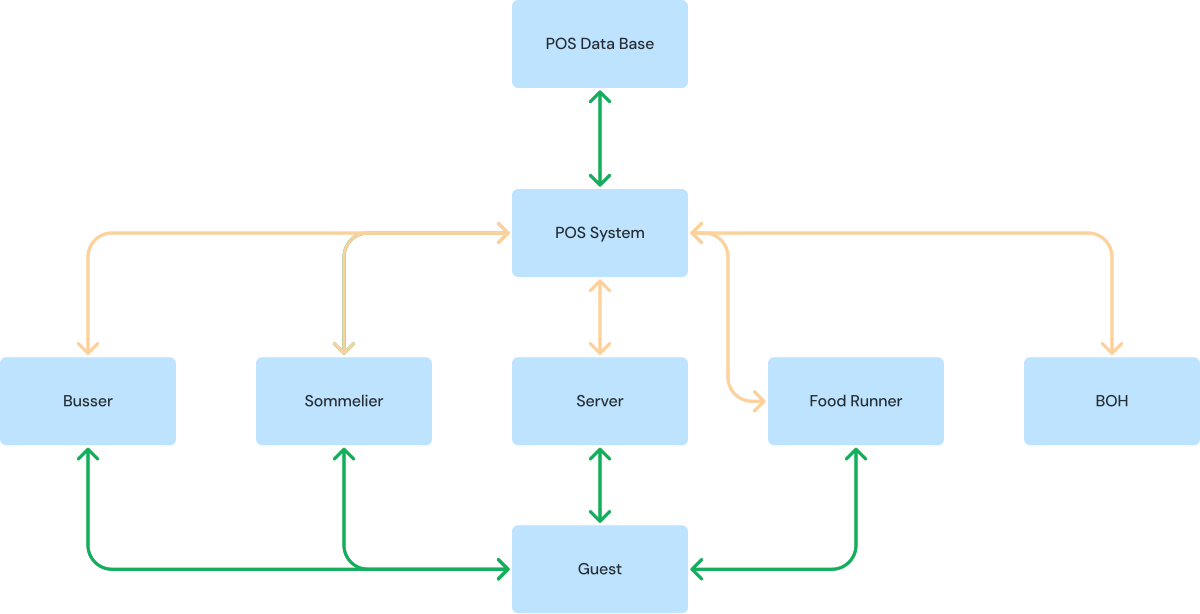
We gave the whole floor a shared, AI-coordinated timeline
Customizable timelineManagers set and edit the flow of service for each restaurant: every course, every task, in sequence.
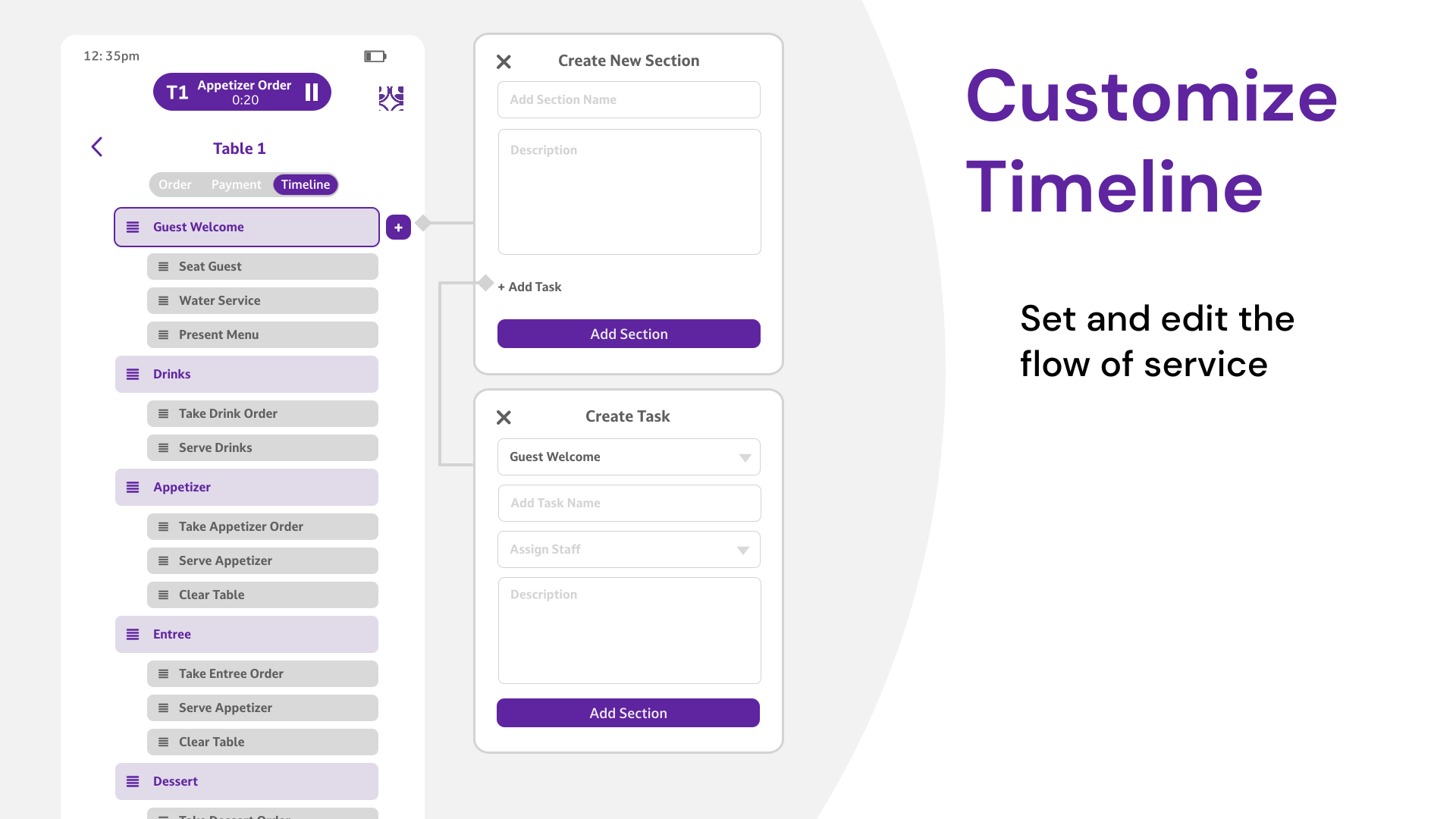
AI task distributionThe system assigns tasks to the right staff member at the right moment, triggered when guests are seated.
Live staff viewIndoor positioning shows where each staff member is on the floor in real time.
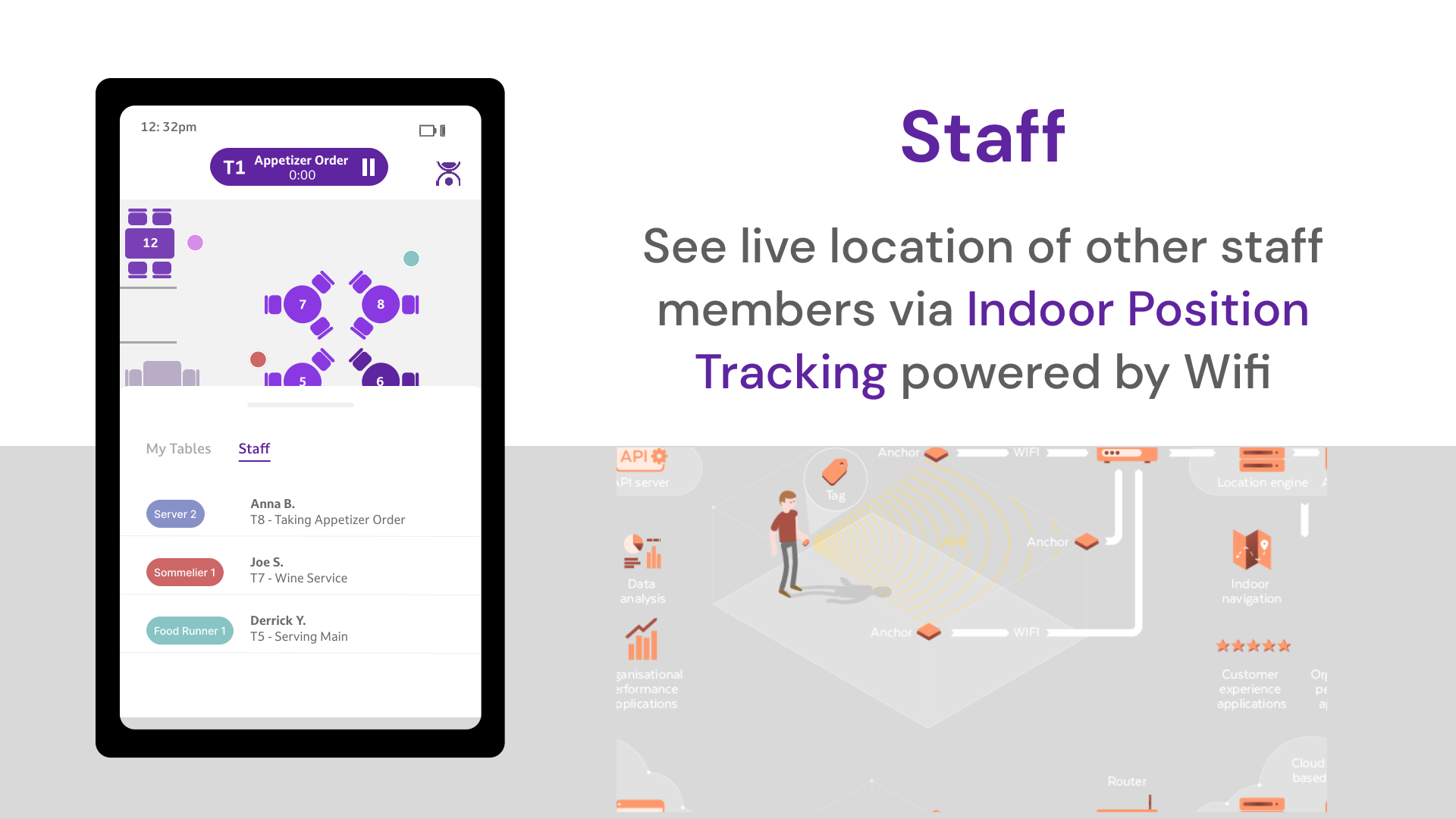
Inter-staff communicationServers complete tasks by swiping the notification bar. No verbal check-ins needed.
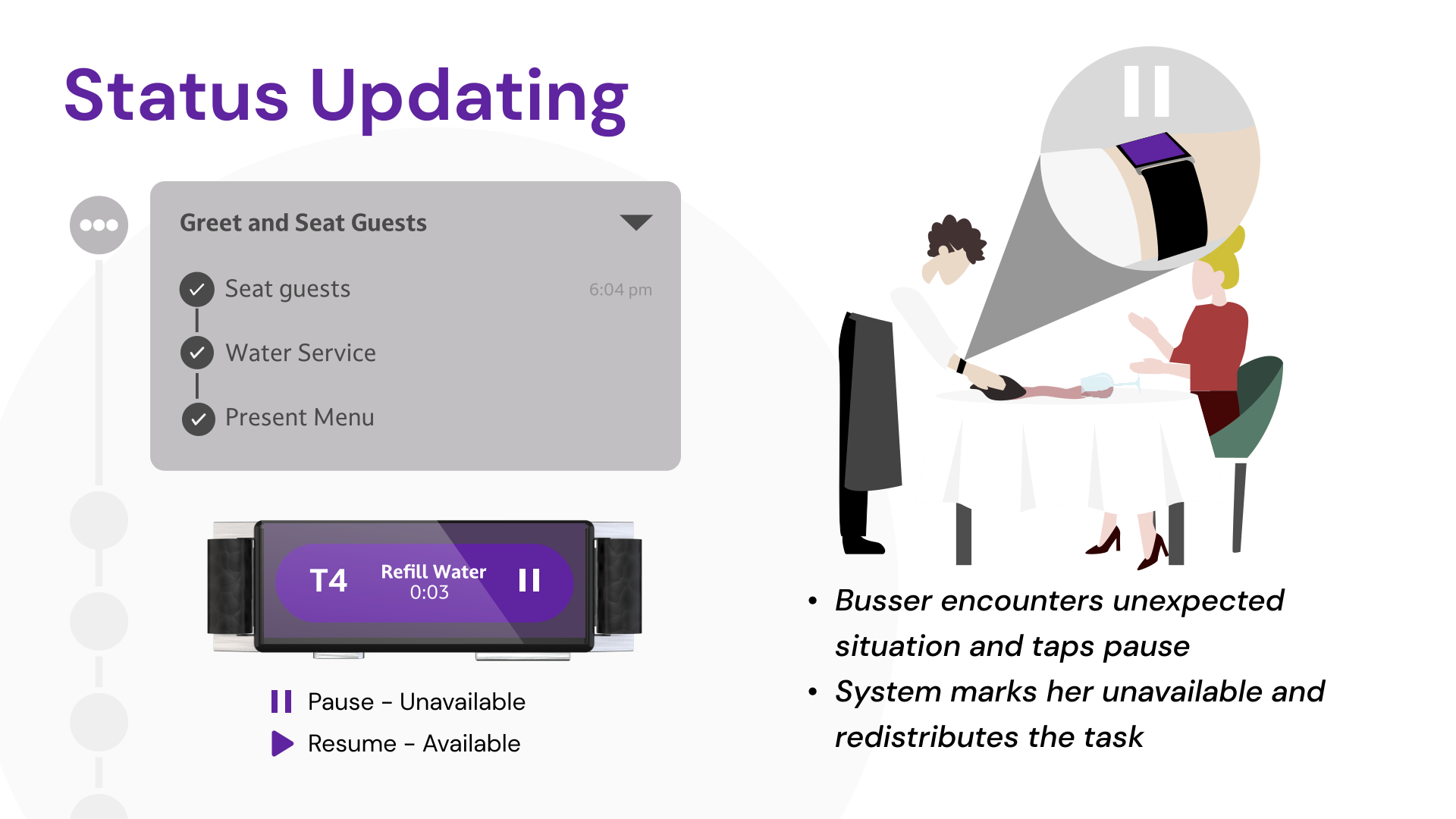
Pause and redistributeIf a staff member becomes unavailable, the system marks them and reassigns the task automatically.
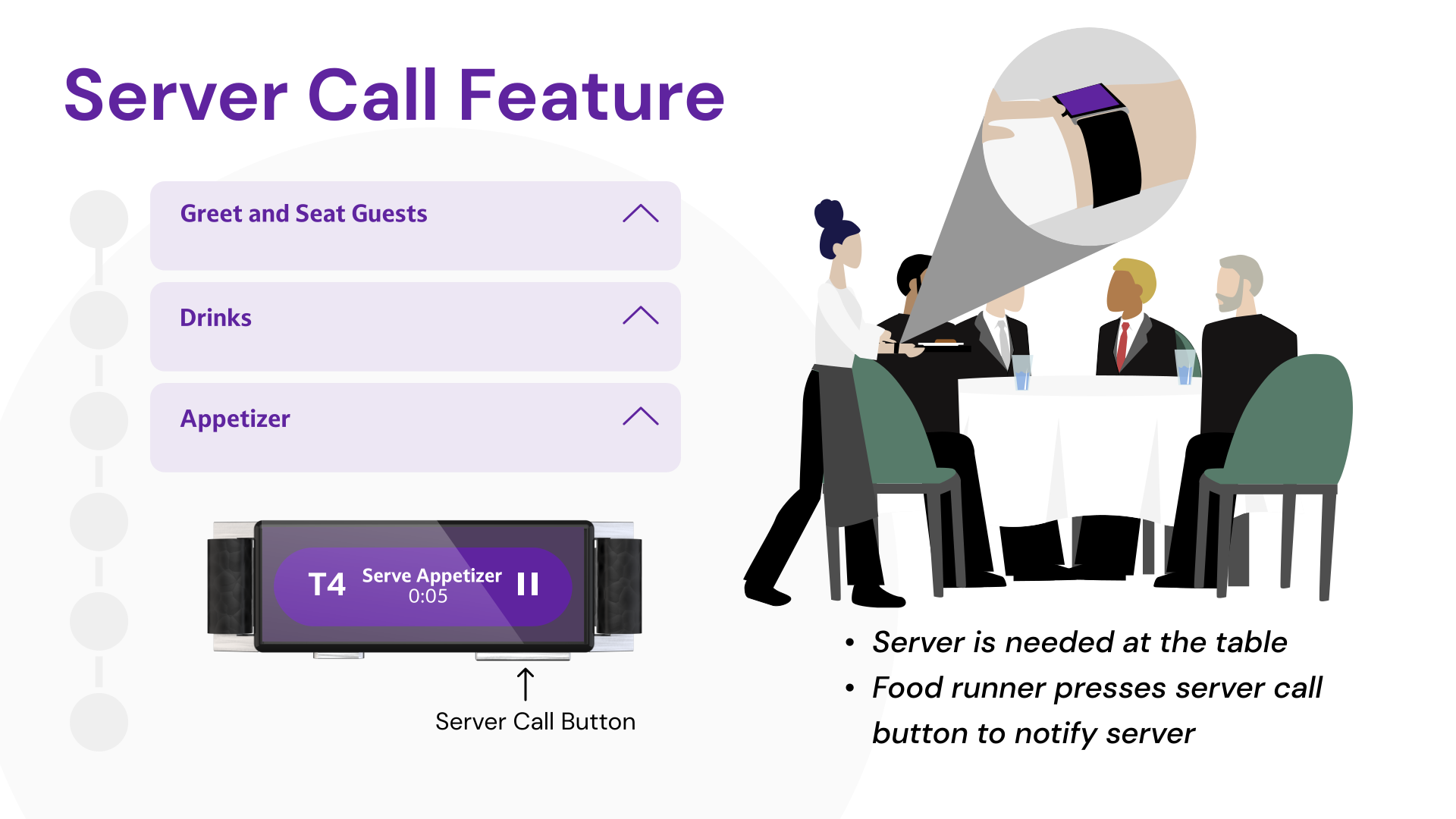
Server callFood runners can notify a server directly when a table needs attention.
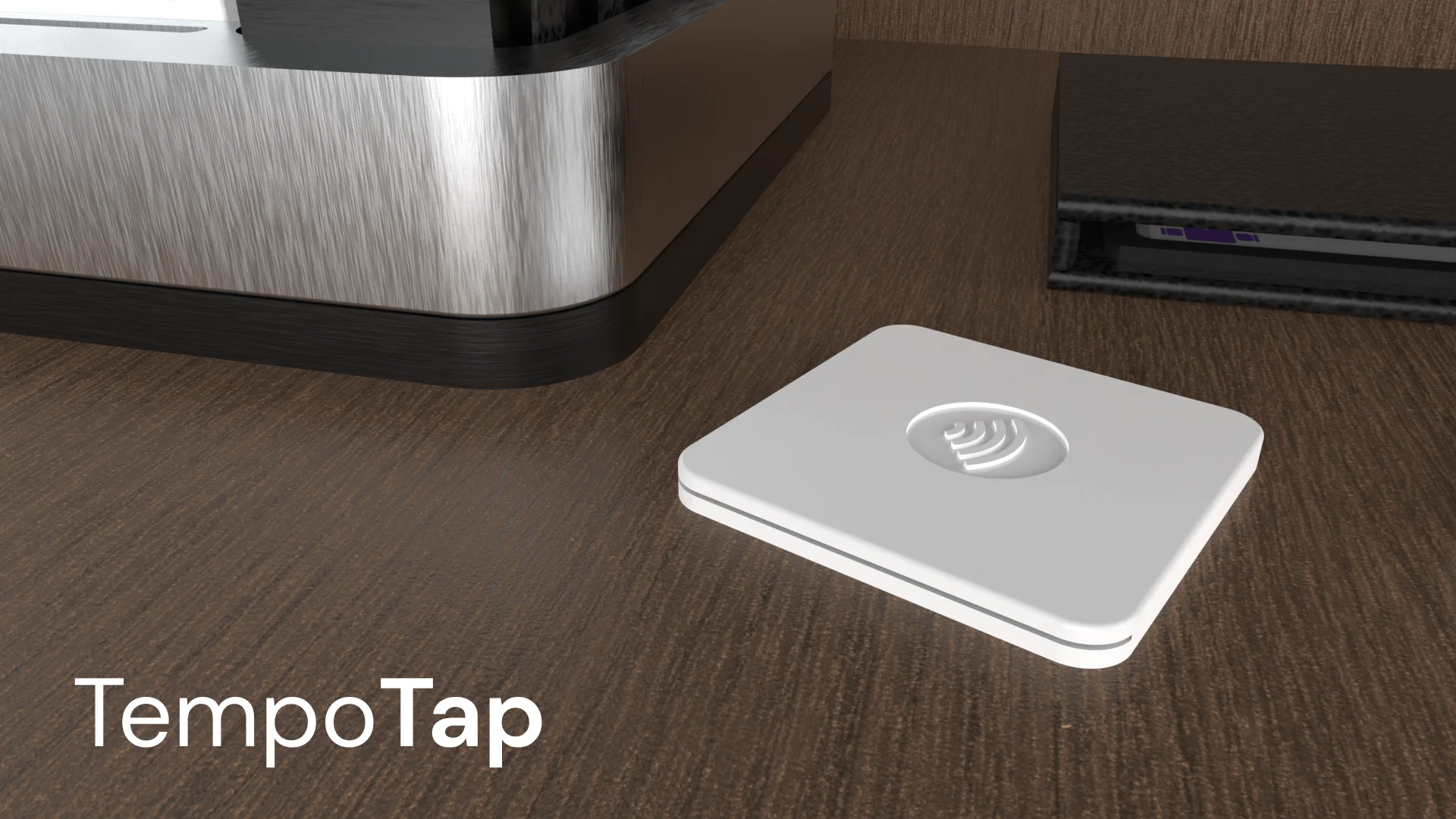
TempoTap
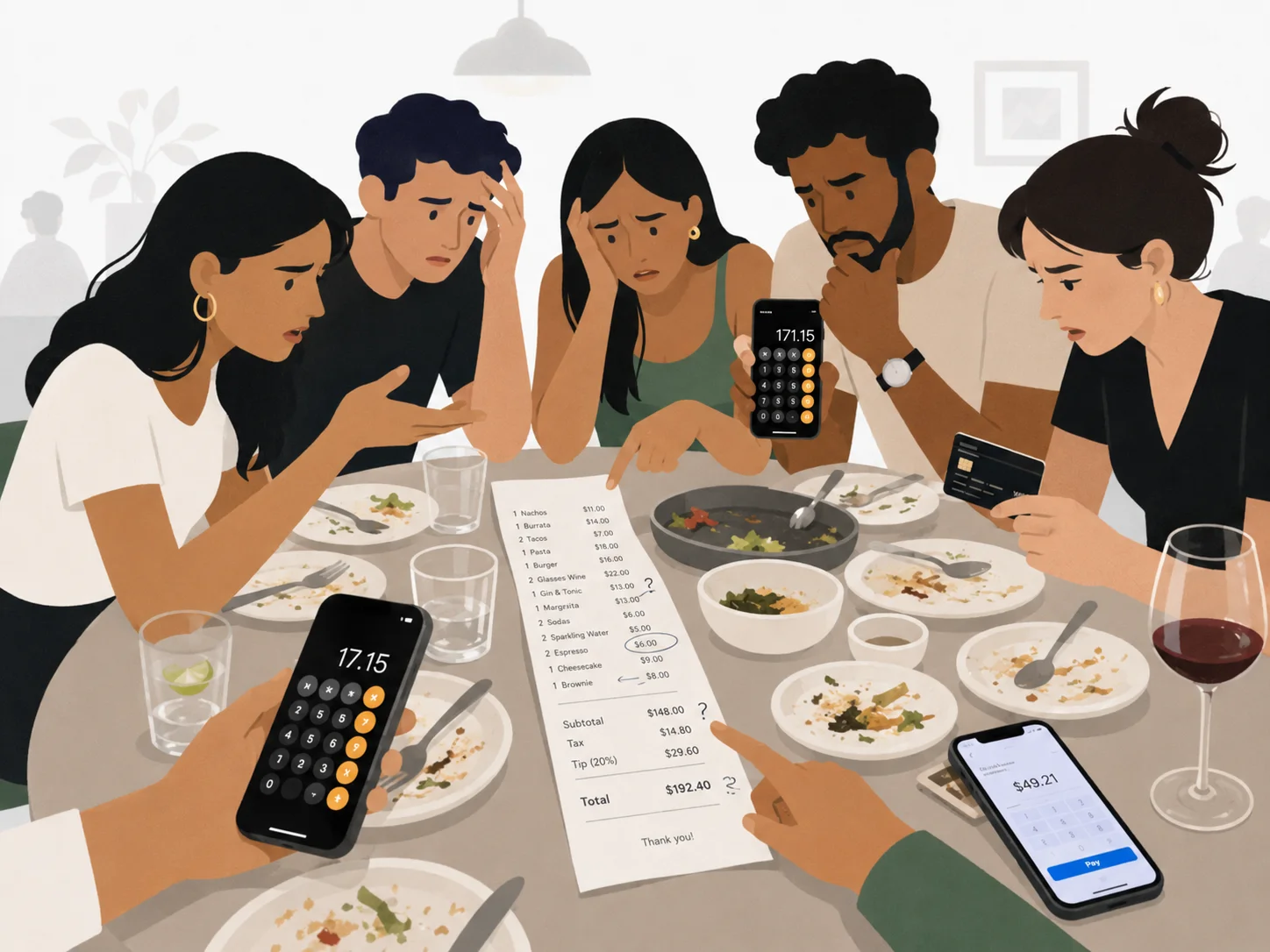
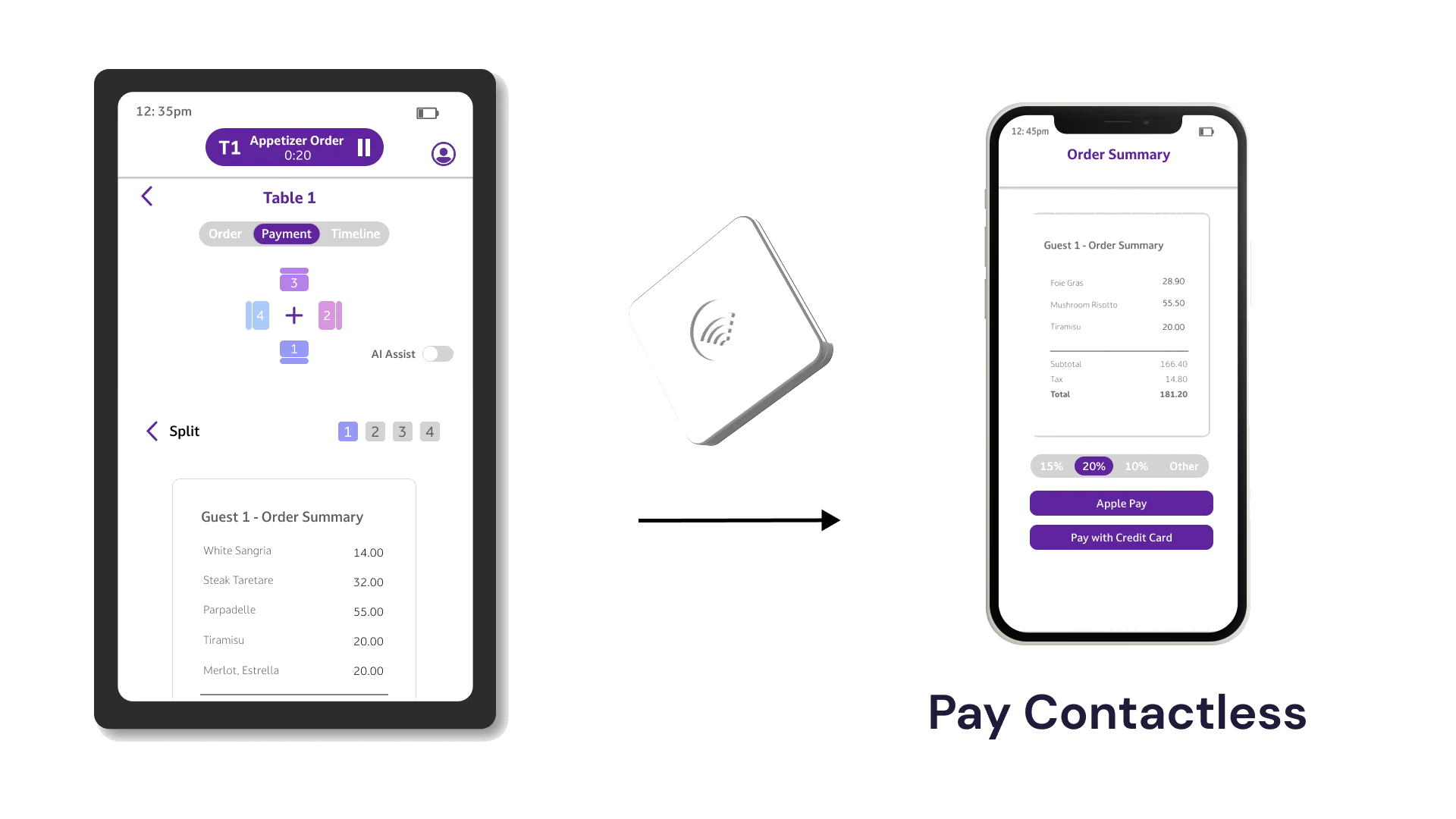
Splitting the check was the most friction-filled moment of the whole meal
Check splitting at fine dining involves multiple guests, complex orders, and social dynamics around who pays for what. The existing process required servers to manually parse every item, a slow, error-prone close to an otherwise premium experience.
AI handles the split: guests just tell it what they want
AI split assistGuests describe how they’d like to split in natural language, and the system handles the rest.
Flexible split optionsBy guest, equally, or by host, each with a clear summary before confirmation.
Contactless paymentApple Pay or card, without the server needing to return multiple times.
Validation
The manager who said it was the restaurant of the future, and meant it as a compliment
We tested Tempo with Brian, manager at STK, who evaluated the full system across all three modules. His feedback validated the core design decisions and surfaced one honest open question about TempoChime, which we’ve carried into the future vision.
“The ordering — I love that ... definitely restaurant of the future ... I like being able to change or modify it by pen or actual selection ... and recognizing someone’s writing.”
— Brian, Manager at STK“Splitting checks is always the most difficult task ... the way you did that made it very simple — better than any system I’ve seen.”
— Brian, Manager at STK“Keeps that table flowing so that the guest has a great experience ... but yet we’re still flipping that table and making money on it.”
— Brian, Manager at STKReflection
Future vision
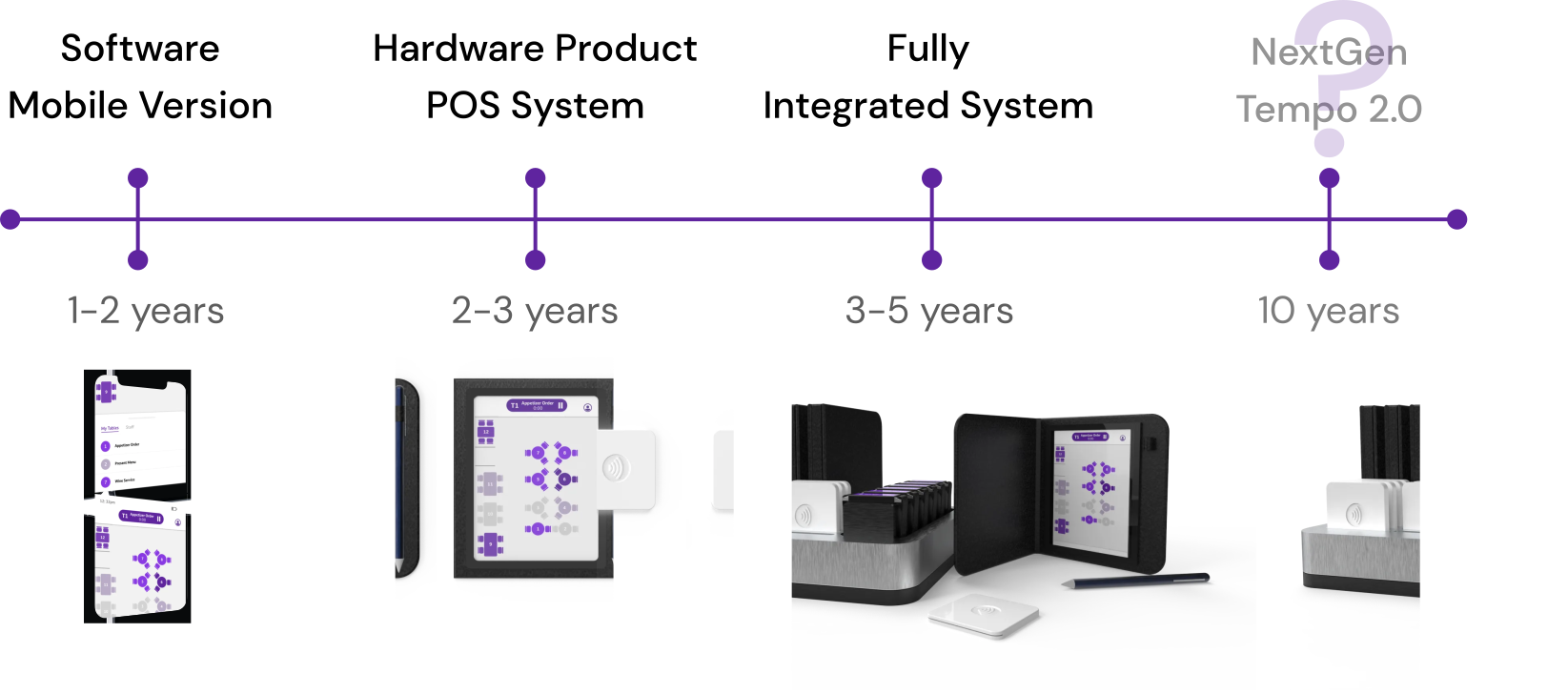
Tempo is designed to be built in phases: a mobile software version first, then dedicated hardware, then a fully integrated system, with a next-generation Tempo 2.0 on the horizon.
The brief from NCR Voyix was open-ended: reimagine the restaurant of the future. We started broad (fast food, small businesses, high-end dining) and I was initially drawn to automation in fast food. It felt exciting. Then I realized it was also the most obvious answer, the one everyone would reach for. The more interesting constraint was somewhere else.
What our research surfaced was that high-end dining was quietly struggling. Inflation had thinned margins, labor had become harder to retain, and the thing that makes fine dining worth the price — the service — is entirely human. You can’t replace that with a robot without destroying the experience you’re selling. That’s what made the design problem genuinely hard, and genuinely interesting.
What we built was an integrated system, not a single terminal. The existing POS experience was essentially tab-clicking — functional, but friction-heavy and disconnected from how service actually flows. Tempo replaced that with interactions that feel natural: voice-to-text, handwriting recognition, AI-coordinated task distribution across the floor. Each module works independently but functions as a whole, keeping the dining room in sync without ever surfacing the technology to the guest.
It was also the beginning of the AI explosion, and there was something exciting about designing at that moment — figuring out where AI could genuinely reduce friction versus where it would just get in the way of what makes the experience premium in the first place.
Tempo taught me that designing for a high-stakes professional environment means holding two constraints in tension at once: reducing friction for staff without visibly changing what guests experience. Every feature that helped the server had to be invisible to the table. That constraint — not the technology — was the hardest design problem. The most honest moment of the project was Brian’s response to TempoChime: he called it “really outside the box” and acknowledged it would need reality testing. That’s the right kind of validation — not uncritical enthusiasm, but genuine interest paired with honest skepticism about what comes next.
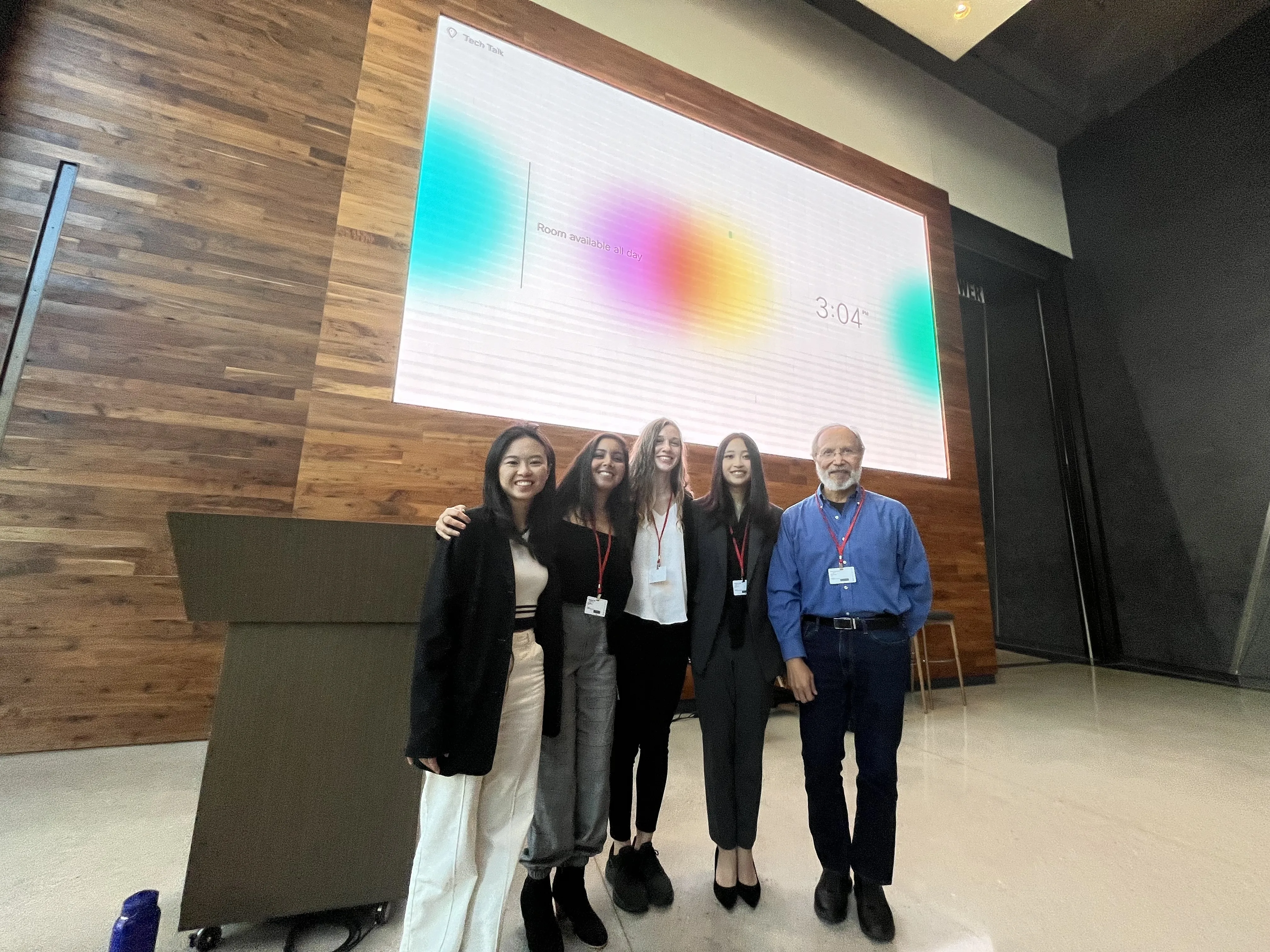
Our team after our final presentation at NCR Voyix.
Let's work together.
Currently seeking full-time product design roles for 2026.