I'm Lily Liang,
a product designer.
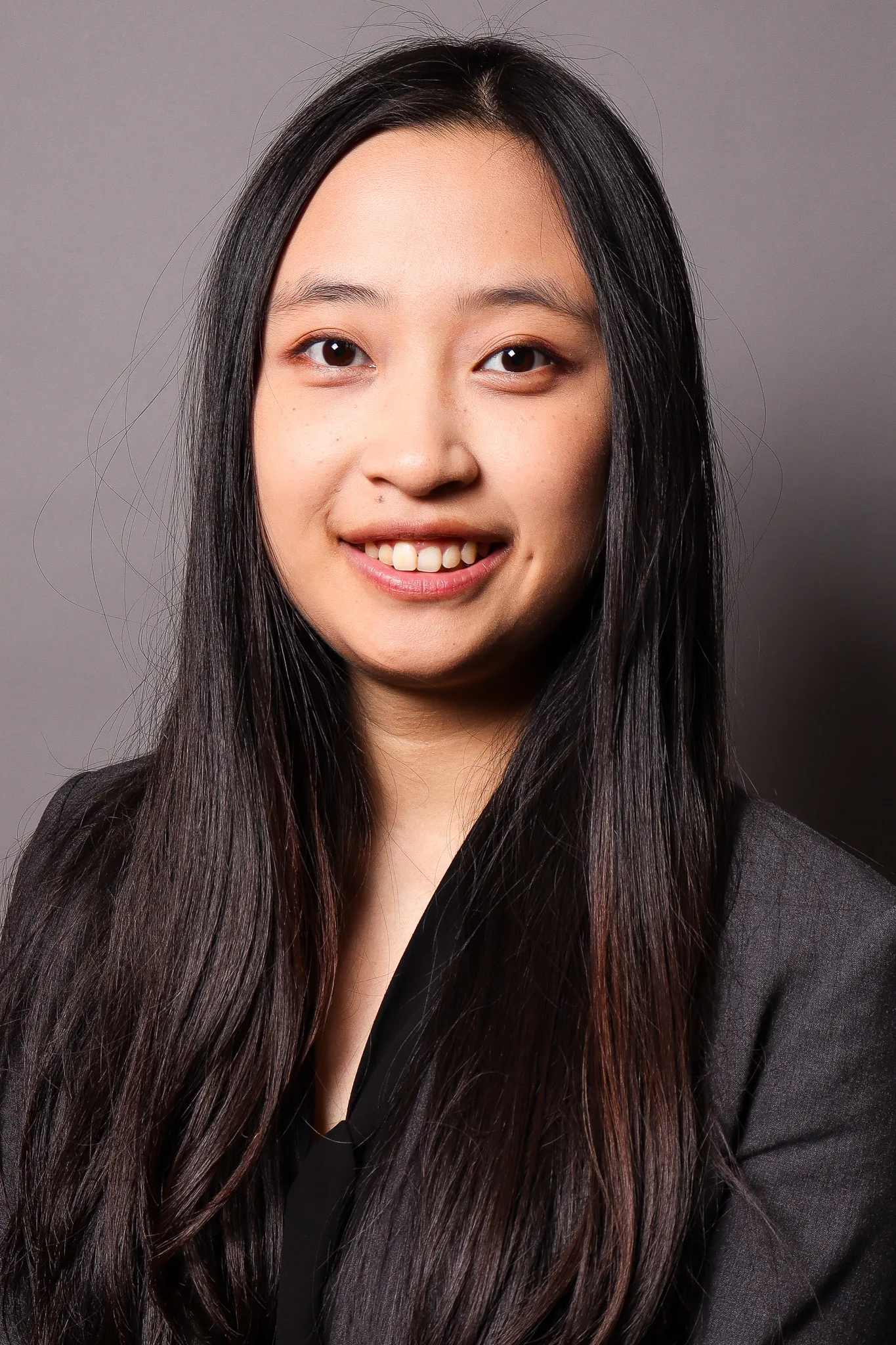
I find the problems people have stopped questioning, and solve them by looking sideways — borrowing from other domains, recombining what already exists, building things that carry real value in the world.
- From
- Chengdu, China
- Based in
- Philadelphia, PA
- Education


Georgia Tech
I got into design because I wanted to make things. Growing up, I was always doing arts and crafts — building, drawing, figuring out how things came together. That eventually led me to study industrial design at Georgia Tech, where I learned that making things well meant understanding people first. Design wasn't just craft. It was problem solving.
The more I learned, the more I was drawn to the front end of the process — the research, the questioning, the moments before any solution exists. Finding the problem nobody had named yet felt like the most important work.
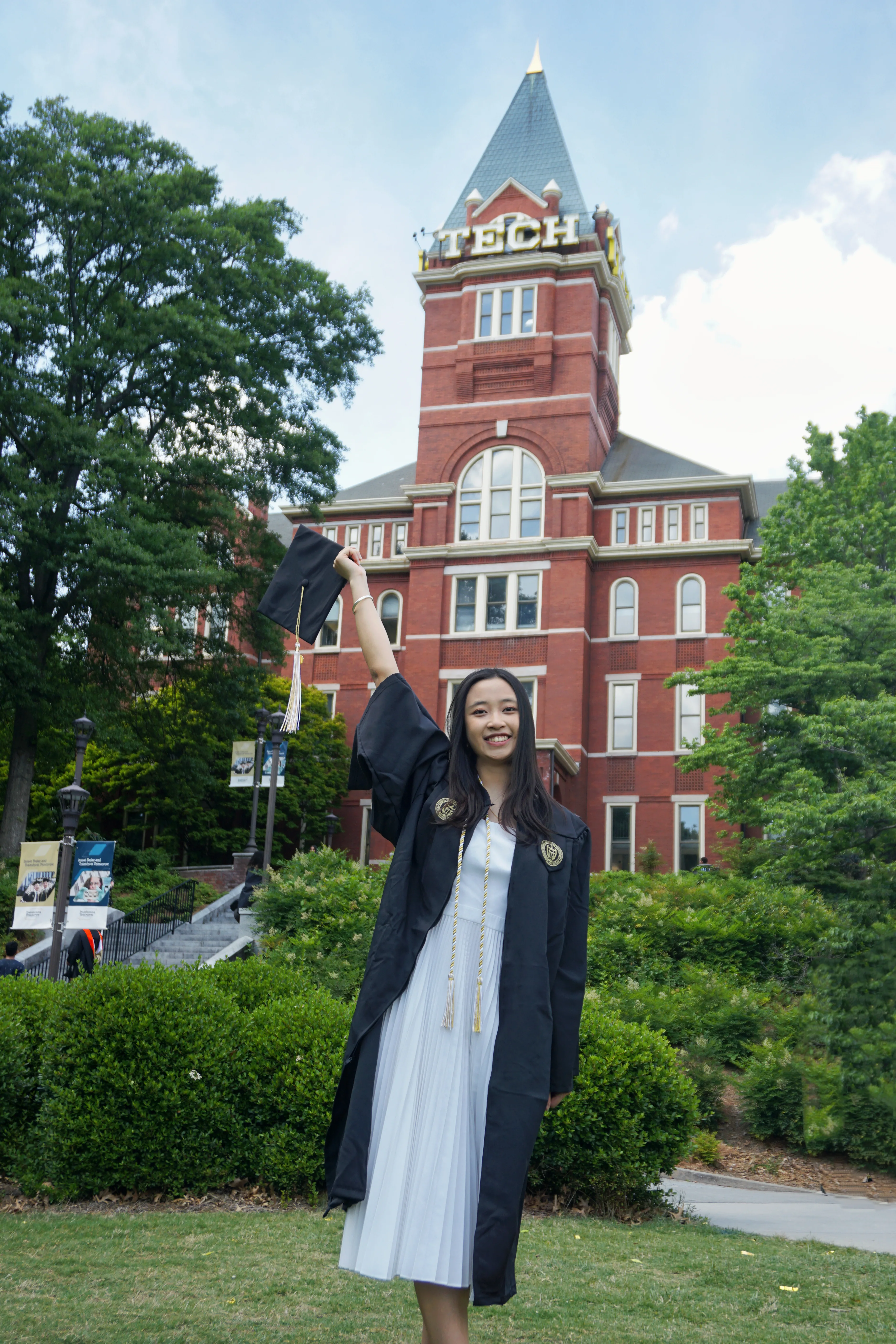
Georgia Tech · Industrial Design
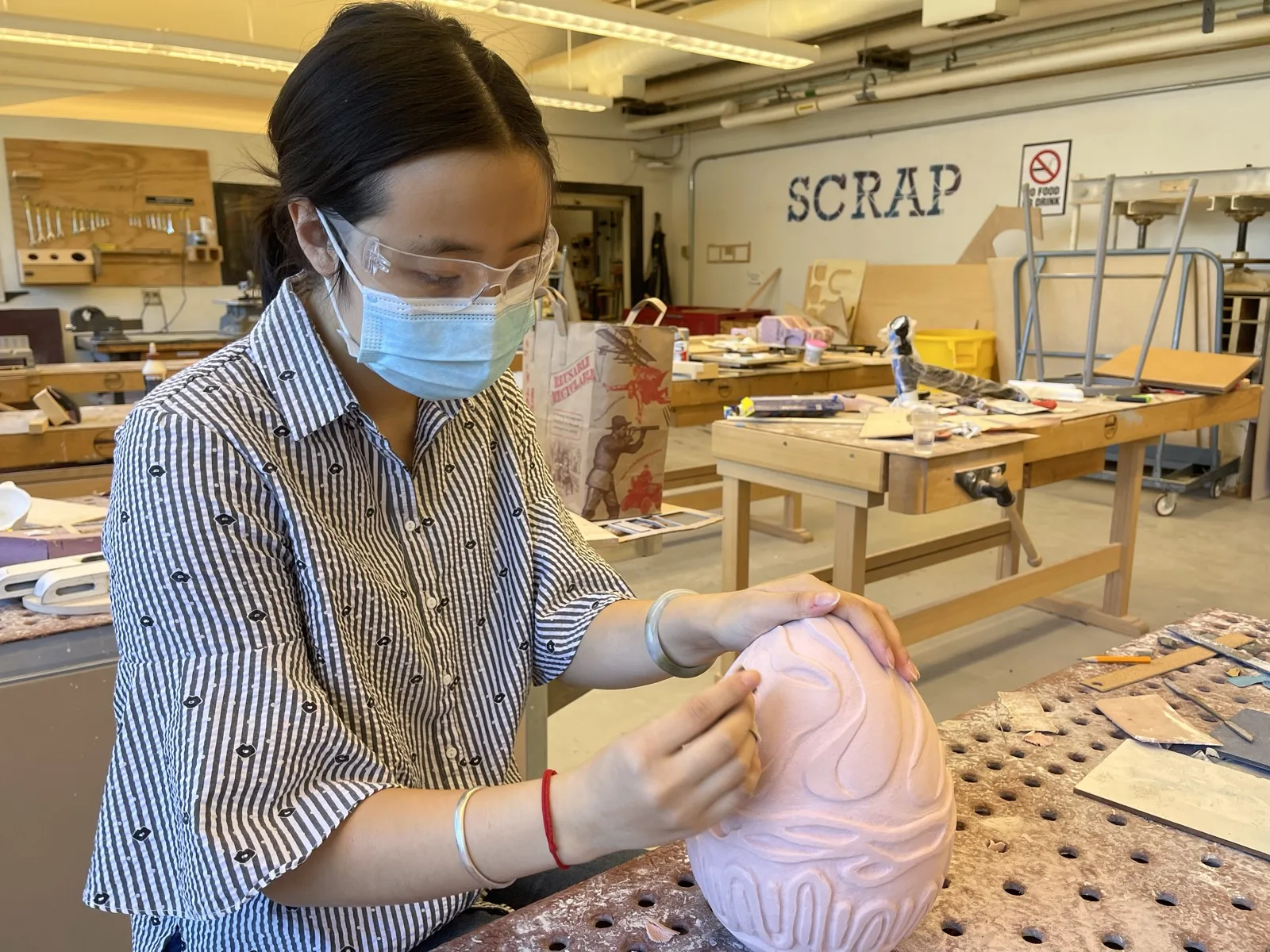
GT Studio · Making
University of Pennsylvania
But not all of my work starts from a problem. Anyi, a mahjong table set, started from my own cultural background. Adaptex, a conceptual venture, started from a material. Neither was problem-driven — but both taught me something the problem-solving frame can't: that design can begin anywhere, as long as it ends somewhere meaningful. Whatever the starting point, the question is always the same — does this carry enough value that someone would choose it?
That question is what pulled me toward Penn's Master of Integrated Product Design. A good idea sitting on a shelf helps nobody. For design to matter in the real world, it has to create value, work within real constraints, and make it beyond the concept stage. I spent two years learning how design, engineering, and business fit together, and left with an engineering entrepreneurship certificate and a much clearer picture of what it takes to get something made.
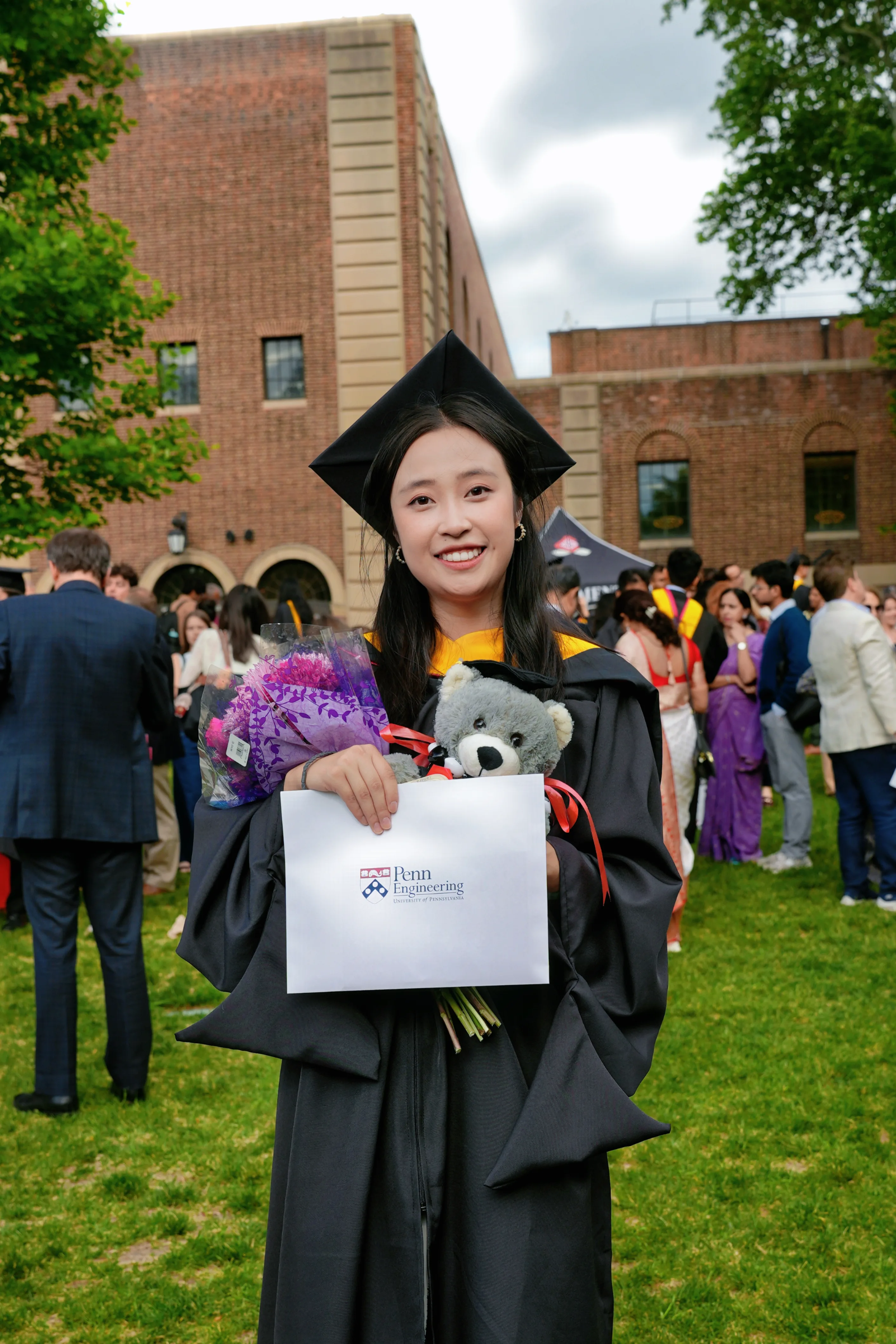
Penn · Integrated Product Design
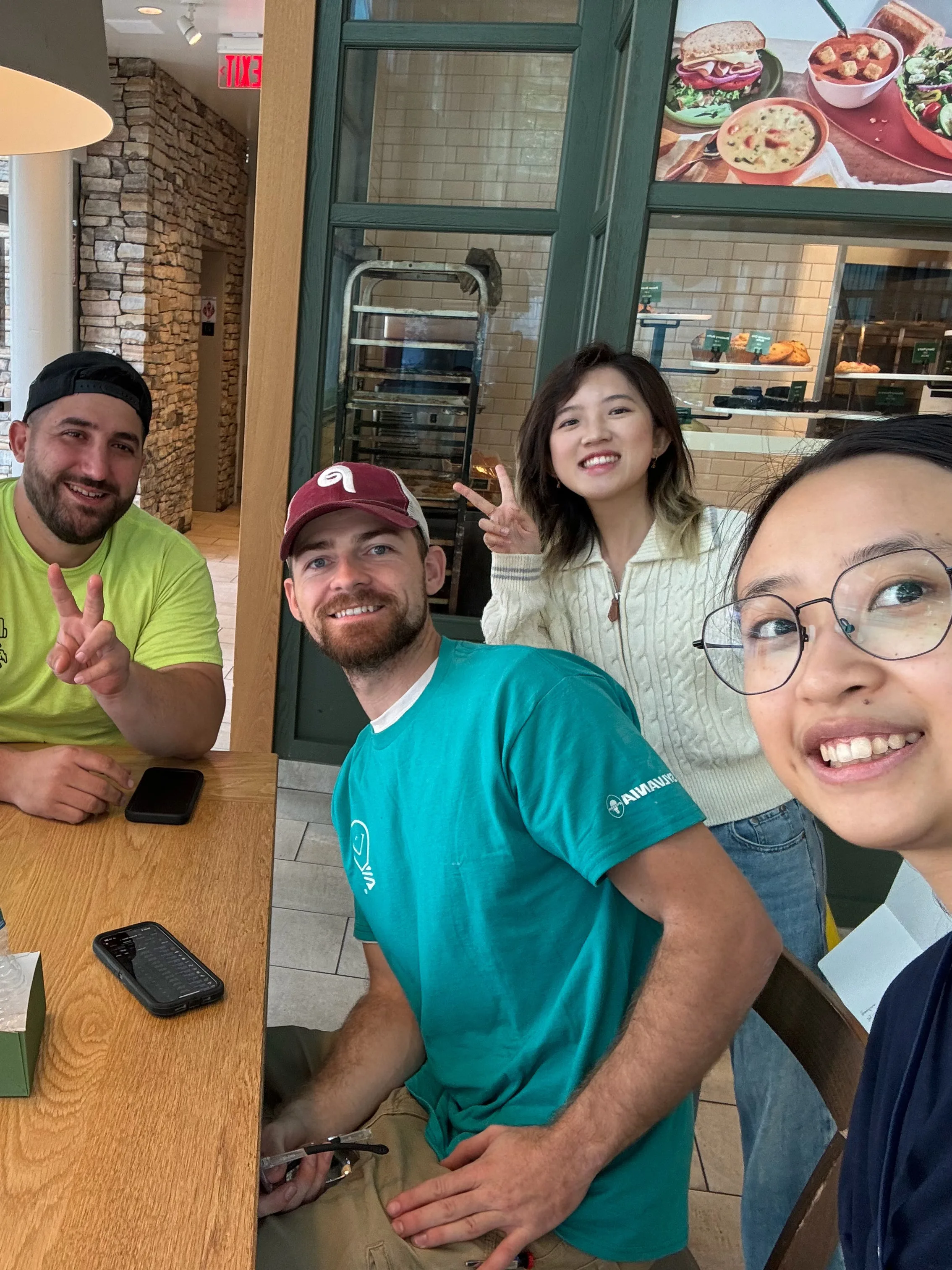
Penn · Guerilla interview
Beyond design
When I was choosing a college major, I almost picked computer science. I've always seen technical skills as a way to bring ideas to life — but I decided the ideas came first. That instinct feels more relevant now than ever. A lot of people are unsettled by AI. I see it as the thing that finally closes the gap between having an idea and being able to build it. I built this entire portfolio using Claude Code — animations, interactions, effects that would have taken months before. That's not a shortcut. That's what it looks like when a designer gets the tools to match their ambition. I'm still here for the ideas. Now I can actually build them too.
Let's work together.
Currently seeking full-time product design roles for 2026.